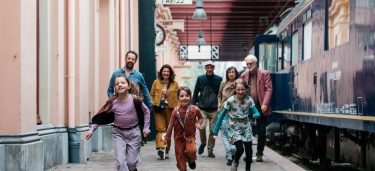
Maliebaan Station Platform
- Activity
- Collection
- Age
- All ages
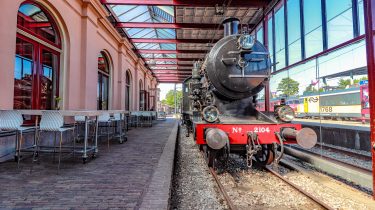
Steam locomotives
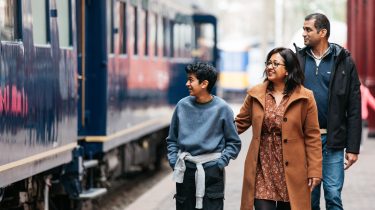
As you step out of the station concourse onto the platform, you can already see them standing there: the antique steam locomotives. They have names like ‘Grote Groene’ and ‘Blikken Tinus’. It paints a lovely picture of a 19th-century station.
Electric locomotives
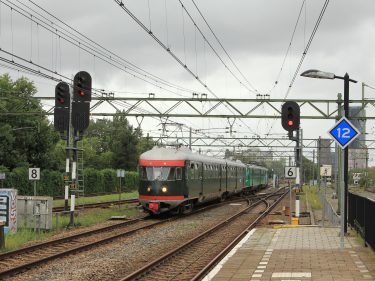
Further along, there is more modern rolling stock. NS locomotive 1125 entered service in the 1950s. Its turquoise colour is unusual; it originally rolled off the production line in France in this shade. Later, these locomotives were repainted in a less eye-catching blue. Further on stands locomotive 1010. The locomotive, built at Werkspoor in Utrecht, was no success; only 10 units of this series were ever built.
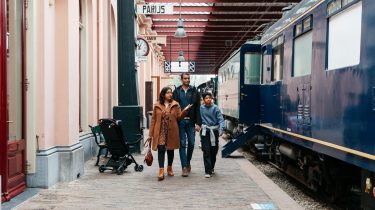

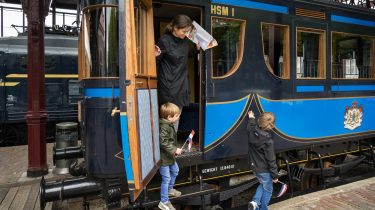
Royal Coach SR1, SR8. SR9 & SR10
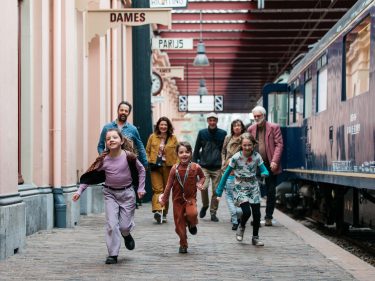
A genuine royal train is standing on the platform. Carriages SR8 and SR9 were built for Queen Juliana and Prince Bernhard. They were used for state visits and winter sports holidays. The SR10 was the last royal carriage, built for Queen Beatrix and also used by King Willem-Alexander.
Station barber
No old-fashioned station would be complete without one: the station barber. The barber’s shop at Maliebaan station was not originally located here. It comes from Dordrecht station and dates back to 1925. The barber’s tools are still laid out in front of the mirrors, as if the barber might return from his coffee break at any moment. A notable feature is the large chest of drawers, where the regular customers’ personal shaving kits were kept; their names are written on the drawers.
Waiting rooms
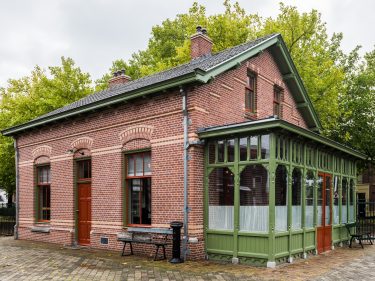
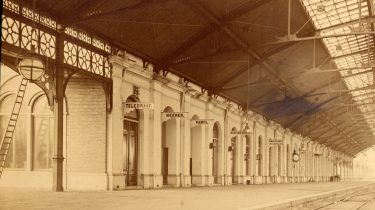
It is common for old stations to have waiting rooms. All the waiting rooms have doors that open directly onto the platform, making them easily accessible to passengers. In addition to first and second-class waiting rooms, there was also a third-class waiting room. This was located at the end of the platform, as far away as possible from the posh people who could afford to travel first class. In between was the dining room, where passengers could enjoy a drink and a bite to eat.